Education is the most powerful driver of long-term poverty reduction and social transformation. According to UNESCO, each additional year of schooling increases an individual’s earnings by up to 10%, while completion of secondary education can reduce the likelihood of living in poverty by more than 30%. In Uganda, many vulnerable children face barriers such as school fees, lack of materials, hunger, and early marriage—factors that contribute to school dropout and youth unemployment. EmpowerNet Uganda bridges this gap by providing scholastic materials, school meals, mentorship, and career guidance so that children can remain in school and succeed academically.
Our approach goes beyond classroom learning. Through sports, music, leadership programs, and vocational skills training, we nurture confident, creative, and responsible young people. Research shows that young people who participate in extracurricular activities are more likely to complete school and gain employment. By supporting co-curricular development, we help youth build self-esteem, teamwork, and problem-solving skills that are essential in today’s job market.
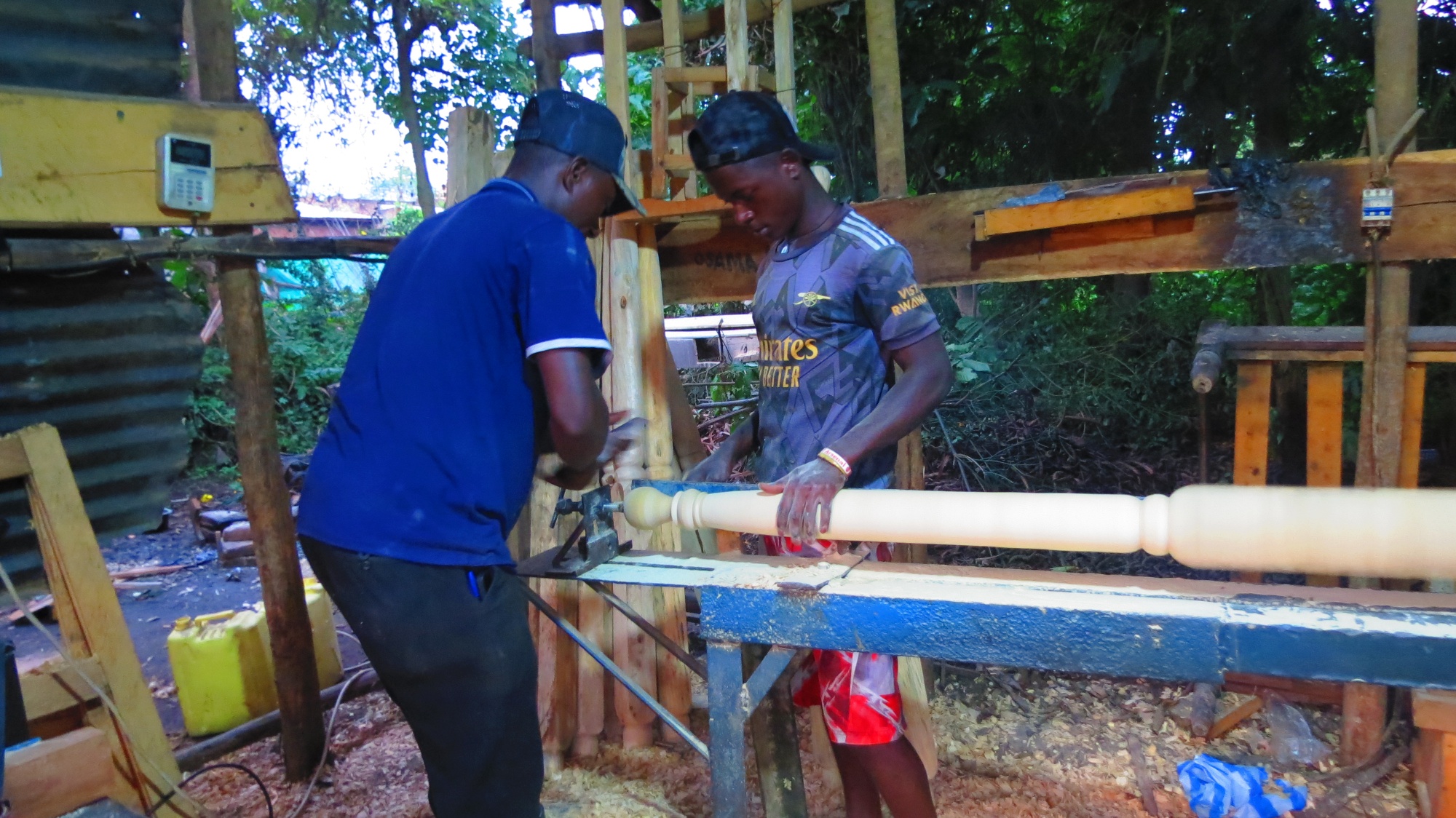
We have established vocational workshops where youth and young mothers receive hands-on training in carpentry, tailoring, welding, motor vehicle repair, baking, and shoemaking. Uganda’s youth unemployment rate remains high, and vocational skills training is widely recognized as a key solution. The International Labour Organization notes that technical and vocational training can increase employment chances by up to 50% for young people. Our training enables beneficiaries to start small businesses, create jobs for others, and increase household income. At the national level, this contributes to economic growth and productivity, while globally it supports Sustainable Development Goal (SDG) 4 on Quality Education and SDG 8 on Decent Work and Economic Growth.